|
|
|
|
|
Fountains Abbey, Studley Park & The Nidderdale Way, North Yorkshire 16th - 18th September 2011 [4]
|
 |
|
|
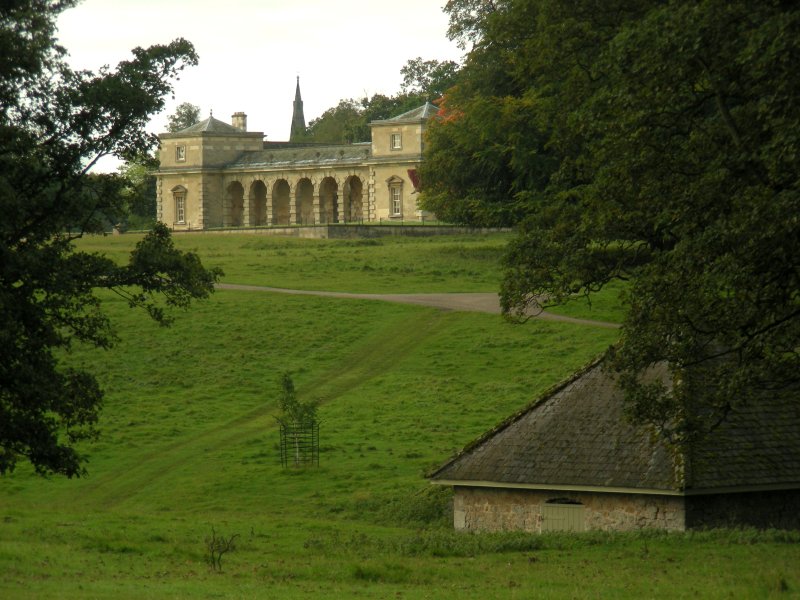
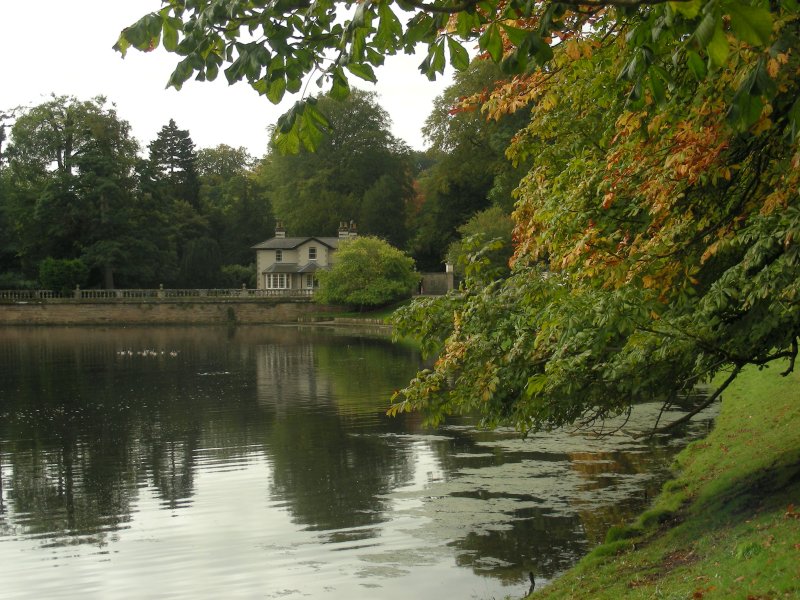
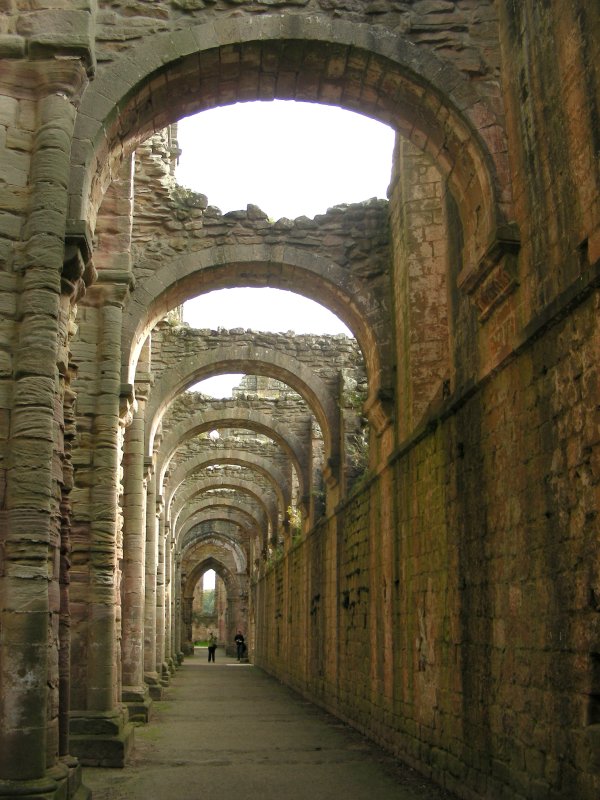
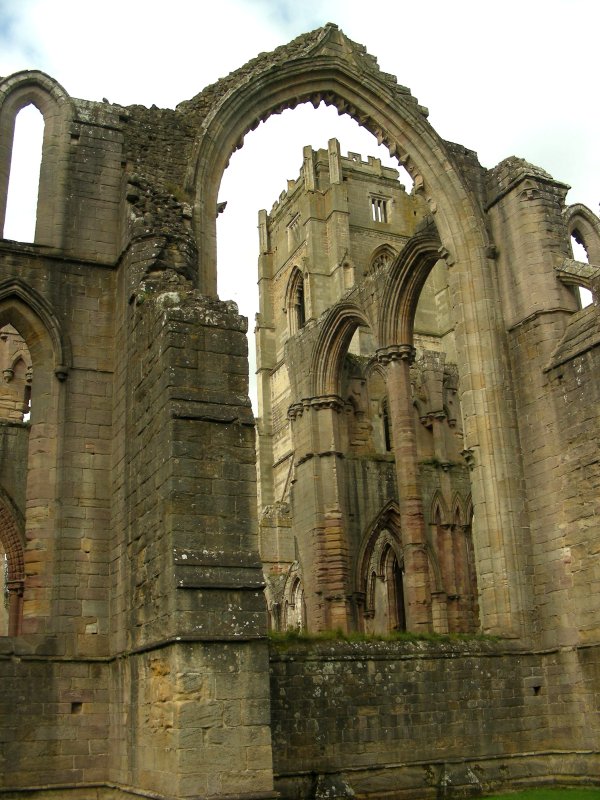
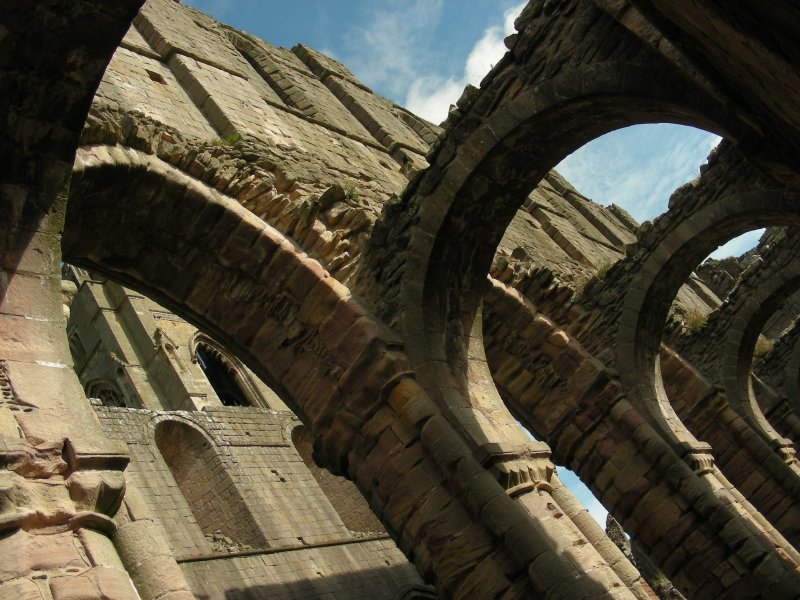
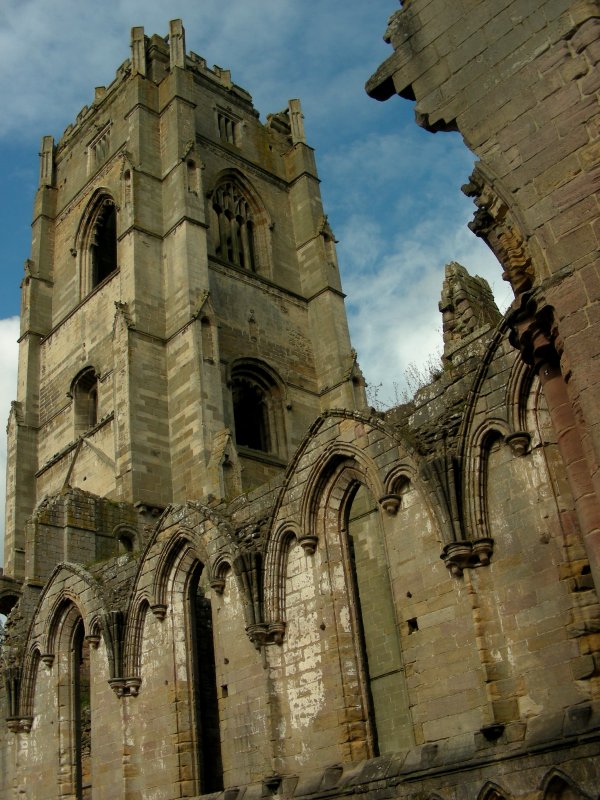
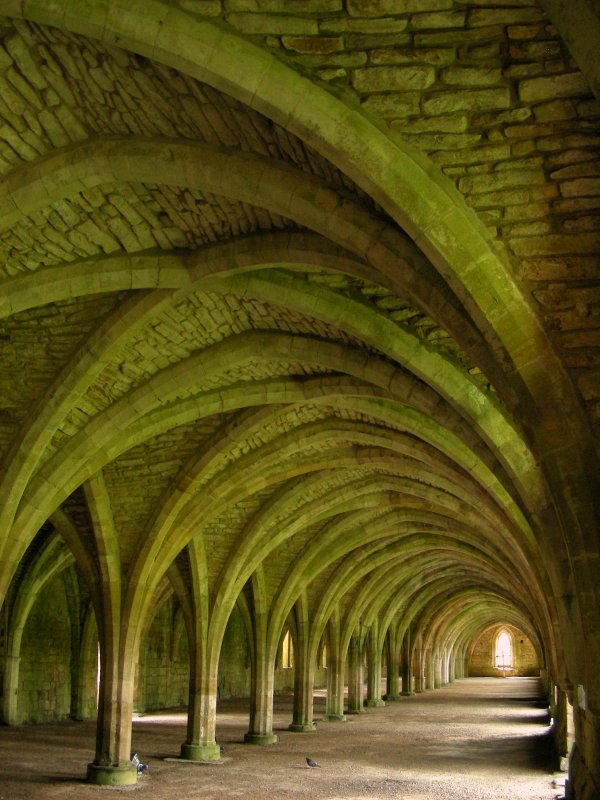
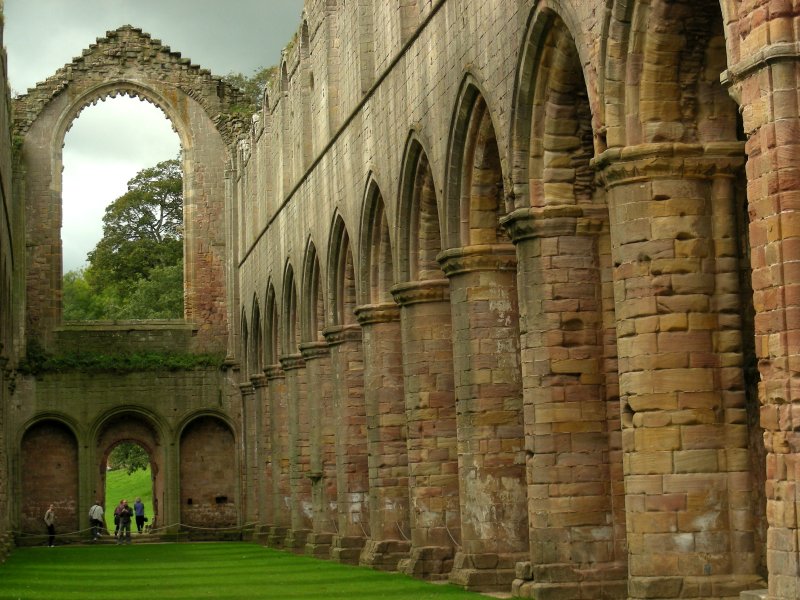
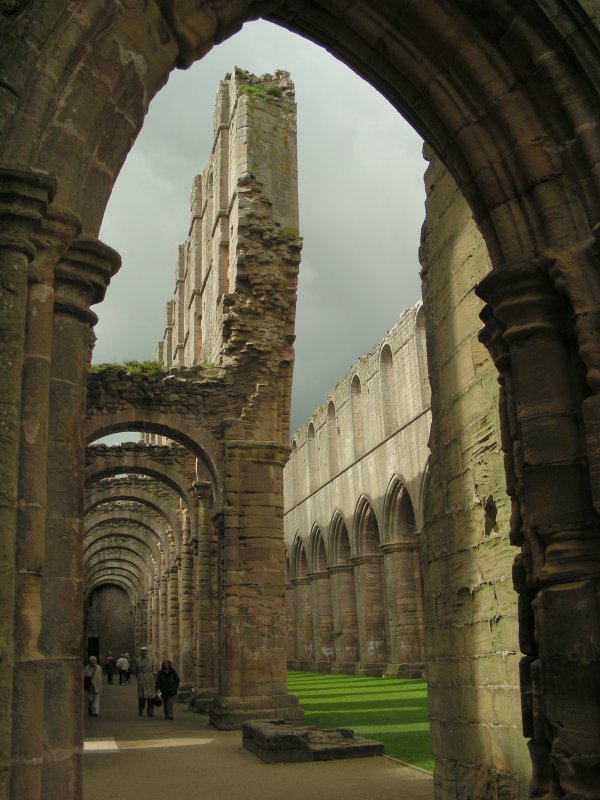
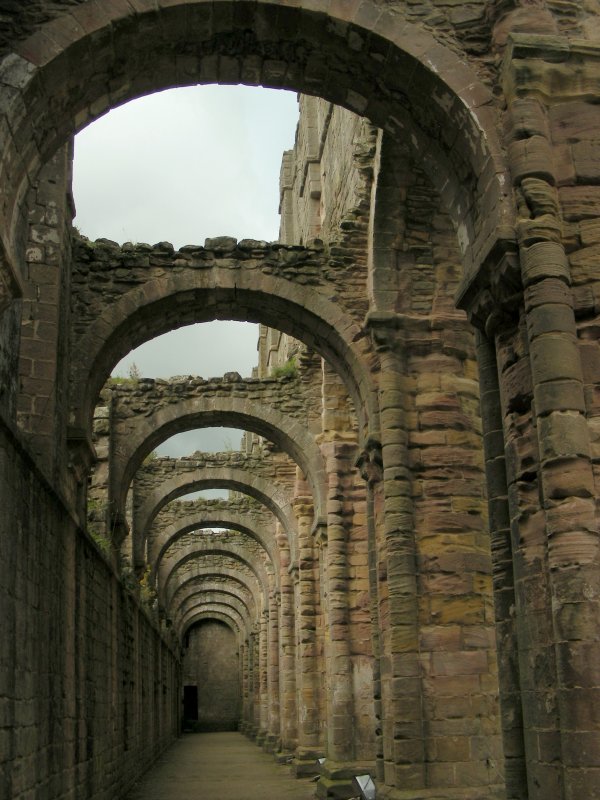
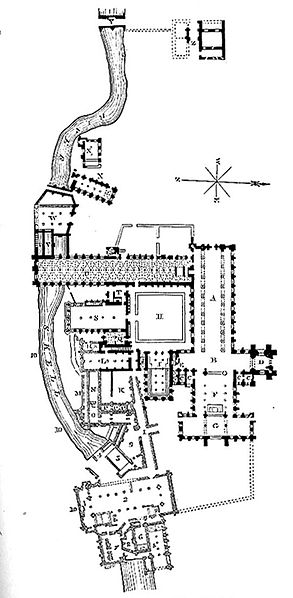
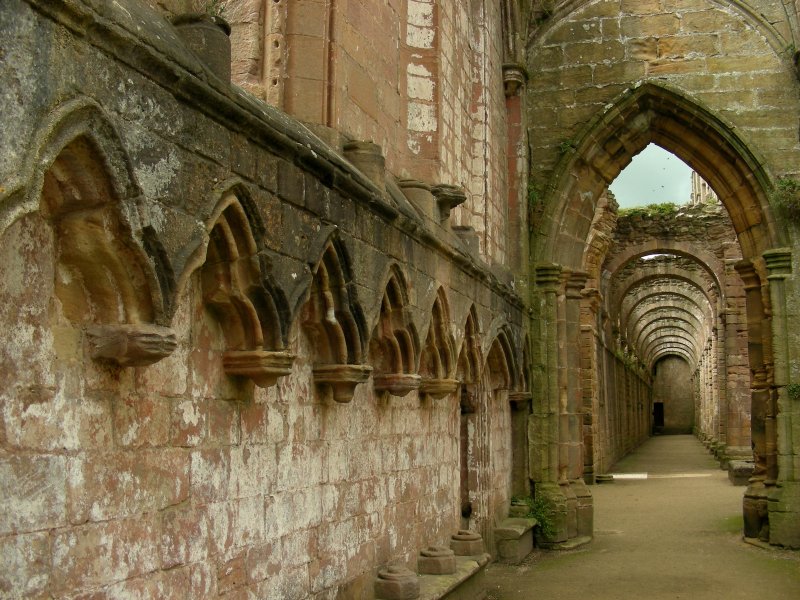
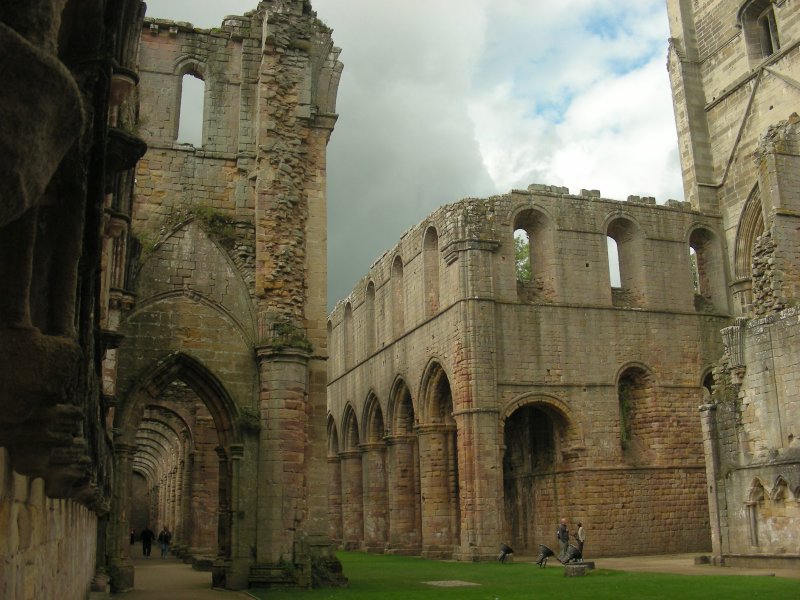
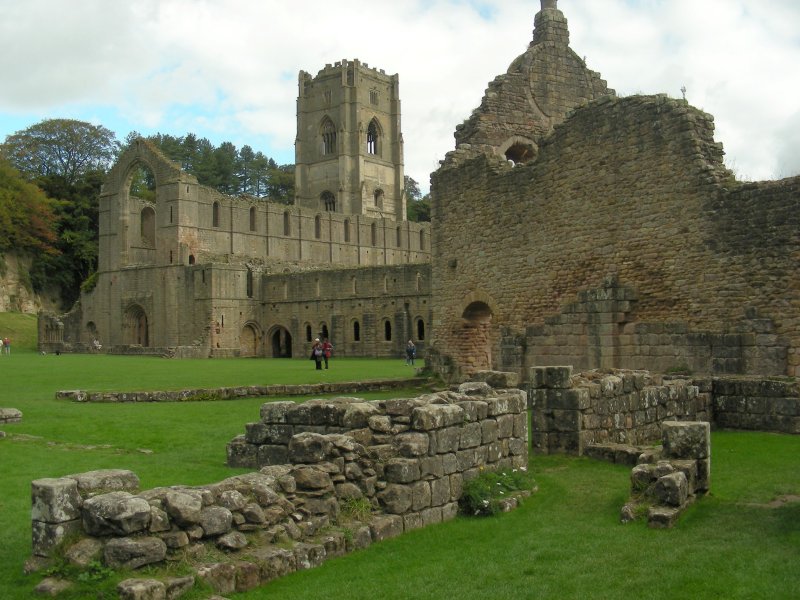
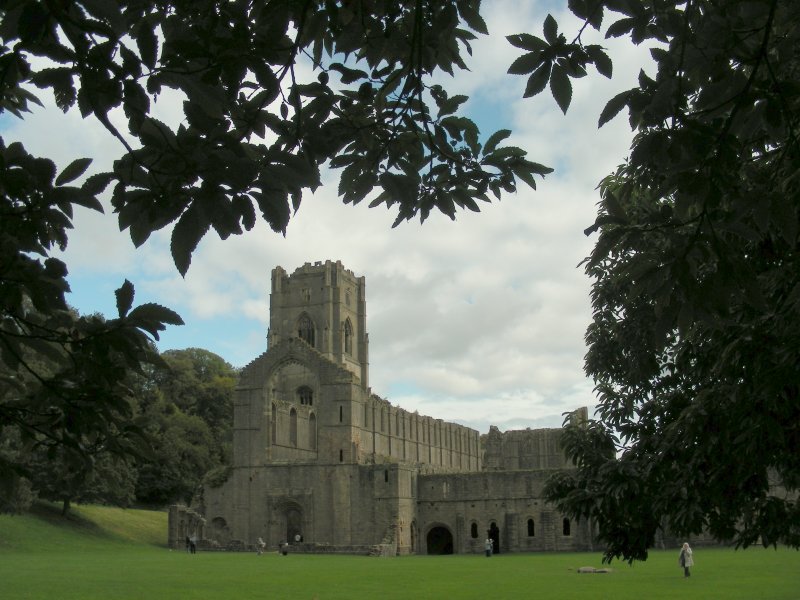
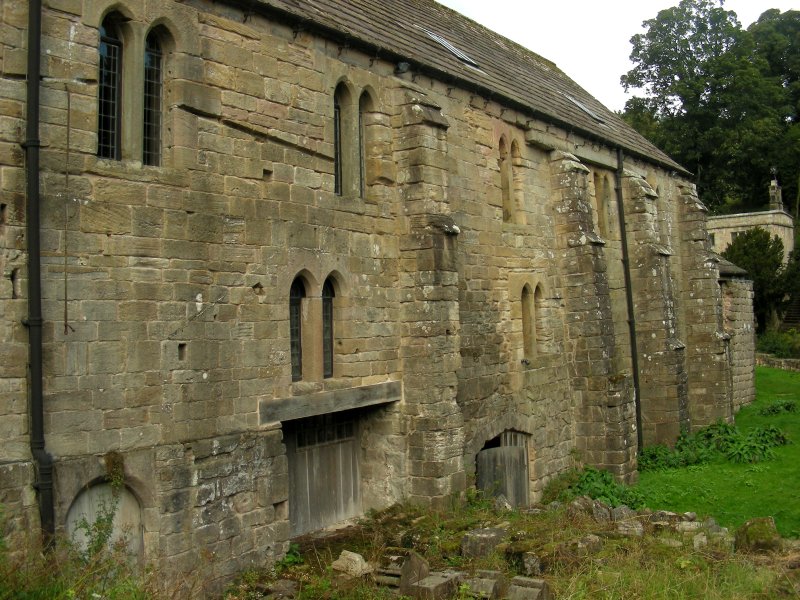
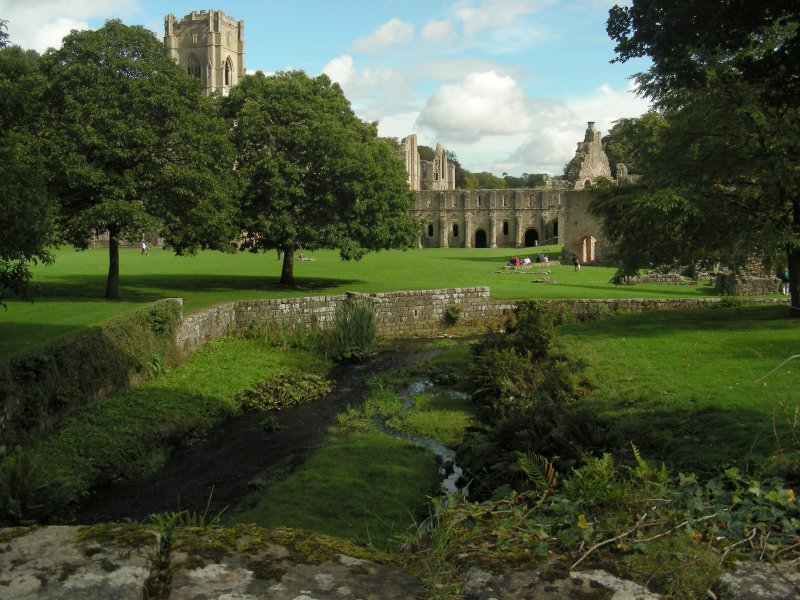
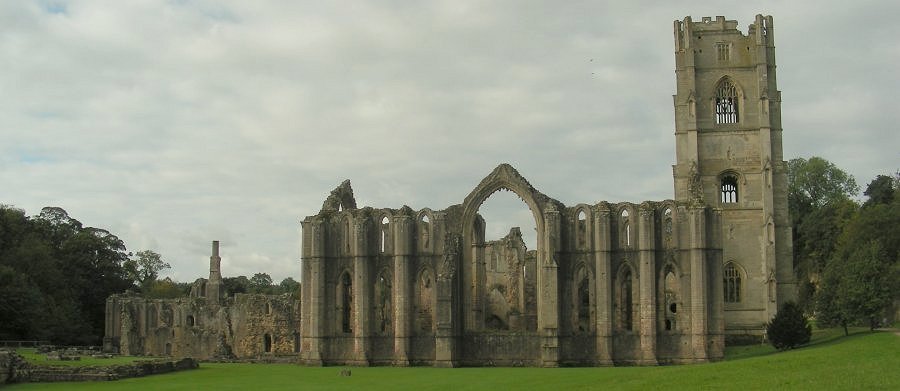
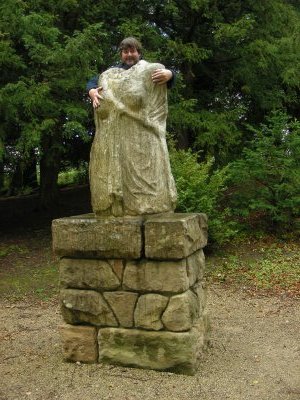
| We seemed blessed as Sunday dawned and we awoke to another glorious day. The plan had been to cover Fountains Abbey and Studley Royal Water Garden, though the task to be undertaken first was that of cleaning the kitchen and cottage after we had partaken of breakfast, as Martin likes to see us perform a thorough job. "Moneybags" Steve collected the cash for the weekend. Gordon, as a National Trust member, was entitled to free entrance for himself and one guest. Martin later arranged for this to be shared amongst Tim, Martin and I. We walked on down to the Fountains Abbey in time to catch an organised tour of the ruins by a National Trust guide, an well-informed elderly lady whose tone of voice reminded me a bit of Dame Edna (without the Aussie inflection naturally). It's an extraordinary place and her presentation emphasized the religious mindset and view of the world that existed in the Middle Ages, coupled with the extreme devotion and discipline exhibited by all monks who formed part of the religious order at Fountains Abbey in the 12th century. The monks lived a life of simplicity and without any form of earthly wealth, perhaps very similar to monks in the Buddhist order. Very little was spoken with its confines, in fact many were confined within its grounds only, avoiding all contact with the outside world. Meals were eaten in total silence and their time was spent performing their daily chores or in prayer. Women were barred from accessing the abbey and its grounds, as this was regarded as a distraction to monks in aspiring to the ultimate goal of salvation. Fountains Abbey mill is the oldest 'intact' building on the estate, constructed in the 12th century as a watermill to grind wheat, oats and barley to feed the monastic community: monks, lay brothers, servants, visitors and the needy. It is the only 12th-century Cistercian corn mill left in the UK. A short walk from the corn mill lies Fountains Hall. Much of the stone removed from the Abbey ruins was used in the construction of the hall, an impressive building, though the loss of a son and daughter of the Vyners to the war means that, like the Abbey, the building speaks of a different sort of sacrifice, the sculpture at the entrance to the house reflecting on a sad aspect to its past. |
|
|
|
|
|
|
[UK - index] [Home Page] |
|
|
|
Links to other websites: |
|
|
|
|
|
|
|
|
|
|
|
|
|
|
|
|
|